
Your Family Deserves the Best Care Book an Appointment
Your skin health matters, so don’t delay. Our clinicians look forward to treating you and your family at one of our local New England practices.
Find Your Nearest APDerm Center
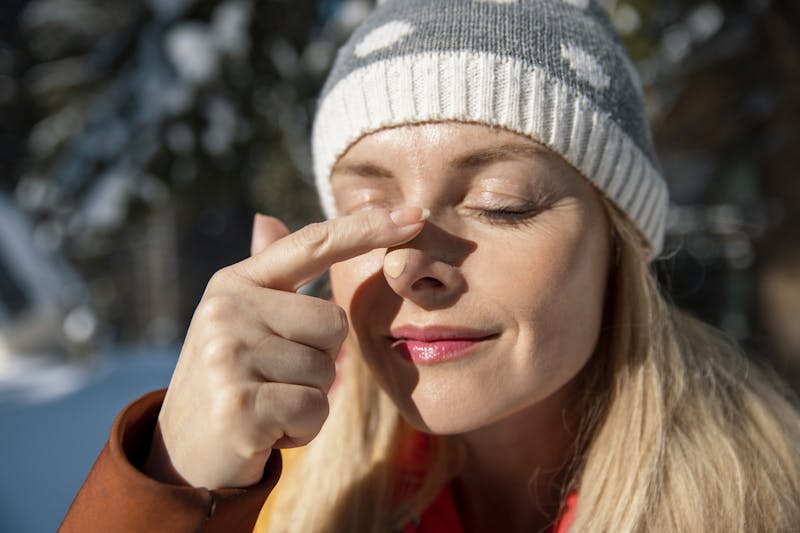
When you think about sunscreen, you probably picture beach days, poolside afternoons, and warm, sunny weather. But here’s the truth most people don’t realize: your skin needs sunscreen just as much—if not more—during the winter months. Even when it’s cloudy, cold, or snowy, UV rays are working overtime behind the scenes, silently contributing to premature aging and increasing your risk of skin cancer.
Here’s why winter sunscreen is non-negotiable:
Up to 80% of UV rays still reach your skin on cloudy days. Even when the sky looks gray and gloomy, UV radiation penetrates straight through the clouds—and straight into your skin.
Winter weather may feel cold and dull, but UV exposure is happening year-round, quietly breaking down collagen, triggering dark spots, and increasing the risk of skin cancer.
Snow is one of the strongest natural reflectors of sunlight. In fact:
That means if you’re skiing, shoveling, walking the dog, or simply commuting, you’re getting double exposure—from above and from below. This is why skiers and winter athletes often experience unexpected sunburns, even when bundled from head to toe.
The ozone layer acts like Earth’s natural sunscreen. In winter, especially in New England, the ozone layer is thinner—and that means more UV radiation reaches the ground. Even though it feels cold, UV intensity can be surprisingly high.
There are two main types of UV rays:
UVA rays penetrate deeply into the skin, breaking down collagen and triggering pigmentation—and they are present at equal intensity 365 days a year. They also penetrate through glass, which means if you’re driving to work or sitting near windows, your skin is still taking the hit.
Cold temperatures, low humidity, and indoor heating strip the skin barrier, making it more fragile. When the barrier is disrupted, your skin becomes more susceptible to UV damage and inflammation. Adding SPF—especially a moisturizer + sunscreen combo—helps strengthen and protect the barrier at the same time.
Skin aging isn’t about one sunny day—it’s about the accumulation of daily, small UV exposures over time. Winter sunscreen helps prevent:
Daily SPF use is one of the most effective, proven ways to keep your skin healthy and youthful.
Winter is peak season for:
All of these make the skin more photosensitive. Skipping sunscreen can undo the progress of your treatments—or even trigger post-inflammatory hyperpigmentation. If you’re investing in your skin this winter, SPF is the insurance policy.
Our dermatologists recommend:
And don’t forget easy-to-miss spots: lips, ears, neck, chest, and the backs of your hands.
Winter may feel dark and dreary, but UV rays are still very much present—and powerful. Wearing sunscreen every day is one of the simplest ways to prevent premature aging, protect your skin barrier, and reduce your risk of skin cancer.
Think of SPF as your year-round skin health essential, not your summer accessory.

Your skin health matters, so don’t delay. Our clinicians look forward to treating you and your family at one of our local New England practices.
Find Your Nearest APDerm Center