
Your Family Deserves the Best Care Book an Appointment
Your skin health matters, so don’t delay. Our clinicians look forward to treating you and your family at one of our local New England practices.
Find Your Nearest APDerm Center
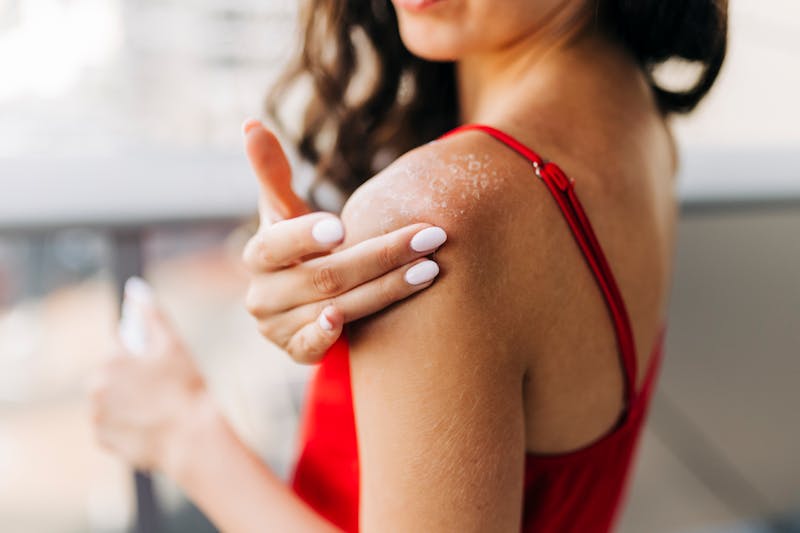
Most people think about sun damage in terms of prevention, sunscreen, hats, and shade. But a lot of the sun damage that shows up on skin happened years or even decades ago, and no amount of sunscreen now will undo it. The good news is that visible sun damage is treatable, with options ranging from simple in-office treatments to more involved procedures depending on what you're dealing with.
Here's a breakdown of what sun damage actually looks like, why it happens, and which treatments address specific concerns.
Sun damage isn't one thing, it's a collection of different changes that happen at different layers of the skin, which is why no single treatment fixes all of it.
Pigmentation changes show up as brown spots, sometimes called sunspots or age spots, along with uneven skin tone and patches of discoloration. These happen when UV exposure triggers excess melanin production, and they tend to concentrate on the face, hands, chest, and shoulders— anywhere that's gotten the most cumulative sun exposure over the years.
Texture changes include rough patches, enlarged pores, and a generally uneven skin surface. This happens as UV damage breaks down collagen and affects how skin cells turn over, leaving skin feeling coarser than it used to.
Fine lines and deeper wrinkles, especially around the eyes and mouth, are accelerated significantly by UV exposure. This is sometimes called photoaging, and it's a major reason why two people the same age can have very different looking skin depending on their sun exposure history.
Broken capillaries and redness, particularly across the cheeks and nose, often develop from years of UV exposure weakening blood vessel walls near the skin's surface.
Loss of elasticity and a duller overall complexion round out the list, both tied to the same collagen and skin cell turnover damage.
Most people have some combination of these rather than just one, which is why a consultation matters more than picking a treatment off a list. What looks like "just dark spots" often comes with texture and tone issues that benefit from a different approach.
IPL (intense pulsed light) photofacials are one of the most effective treatments specifically for sun-induced pigmentation. IPL targets pigment beneath the skin's surface, and spots typically darken and flake off within a week or two after treatment. It's a good option for people with widespread sunspots, especially on the chest and hands, and most people see meaningful improvement in two to three sessions.
Chemical peels work by removing damaged outer layers of skin, which helps fade pigmentation while also improving texture. Peel strength varies widely, from light peels with minimal downtime to deeper peels that require more recovery but deliver more dramatic results. This is often a good fit for people who want pigment improvement and texture improvement in one treatment.
Microneedling creates controlled micro-injuries that trigger the skin's natural collagen production, which improves texture, reduces fine lines, and can help with acne scarring caused or worsened by sun exposure. It's a lower-downtime option compared to more aggressive resurfacing treatments, which makes it appealing for people who want results without much recovery time.
Laser resurfacing, including fractional laser treatments, addresses texture and fine lines more aggressively than microneedling by removing damaged skin in a controlled pattern and stimulating deeper collagen remodeling. Recovery time varies depending on the type and intensity of laser used, and this is generally a better fit for more significant photoaging rather than mild concerns.
Dermal fillers and neuromodulators like Botox/Dysport don't reverse sun damage directly, but they're often used alongside resurfacing treatments to address volume loss and dynamic wrinkles that develop alongside sun-related skin changes, especially around the eyes and mouth.
IPL is also effective here, since the same light-based technology that targets pigment can target the blood vessels causing visible redness. This is a common treatment for rosacea-like redness that's been worsened by sun exposure over time.
Most people dealing with sun damage benefit from a combination approach rather than a single treatment, since pigmentation, texture, and fine lines usually overlap. A common path looks like an initial consultation to map out which concerns matter most, a series of IPL or peel treatments to address pigmentation, microneedling or laser resurfacing layered in for texture, and a maintenance skincare routine with retinoids and daily SPF to protect results going forward.
This is also why an in-person consultation matters more than trying to self-diagnose from a list like this one. Skin tone, skin type, and the specific combination of damage all affect which treatments make sense and in what order.
Cosmetic treatments can dramatically improve the appearance of existing sun damage, but they don't make skin immune to future damage. In fact, after many of these procedures, skin is temporarily more sensitive to UV exposure, which makes daily sunscreen even more important during recovery and afterward. Treating sun damage without changing sun habits is a bit like repainting a fence without fixing the leak that's damaging it, the results won't last as long as they should.
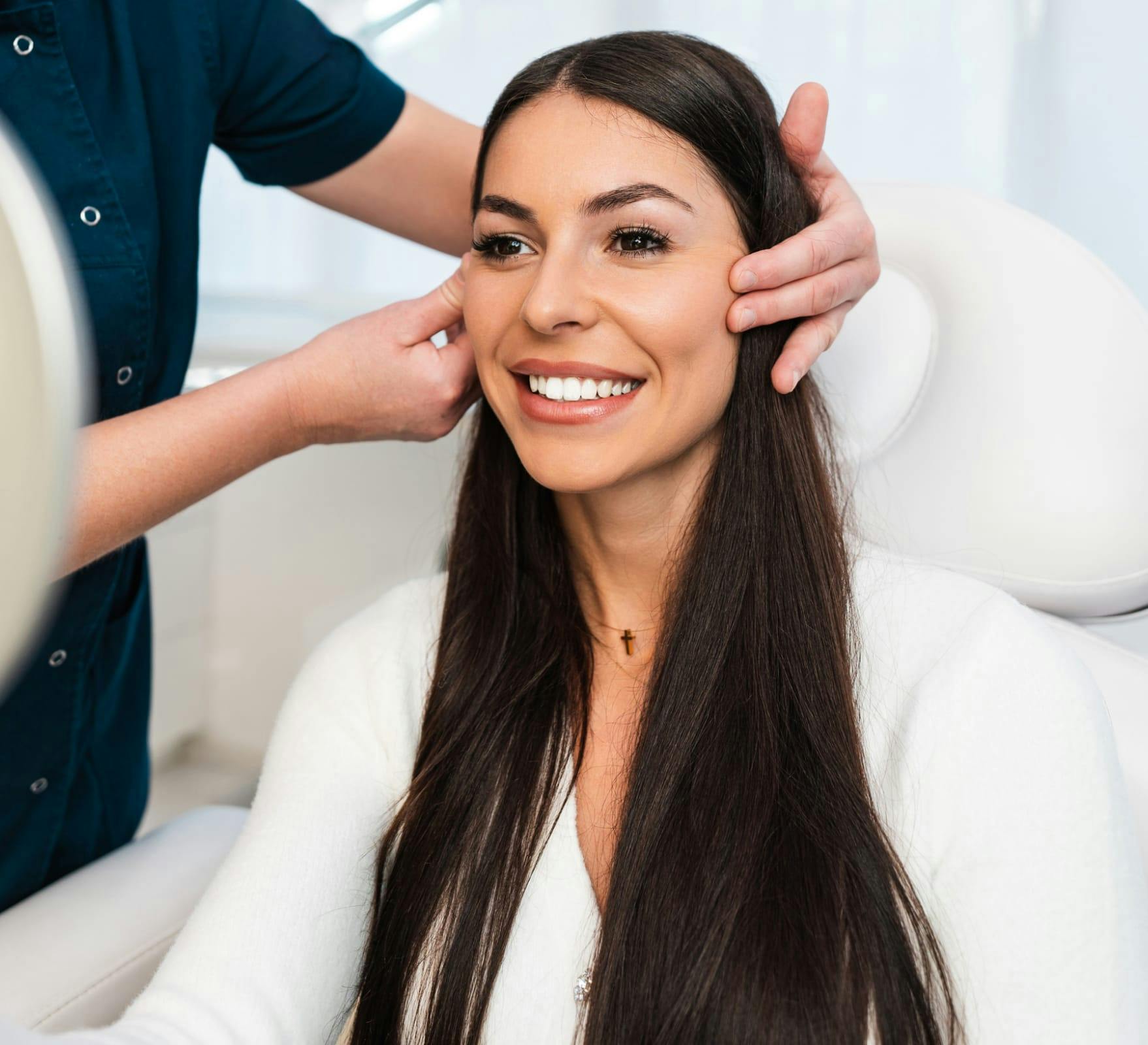
If you're concerned about sunspots, uneven texture, fine lines, or visible redness and you're not sure where to start, a consultation is the best next step.
You can view full treatment pricing here and check current specials before booking. Schedule a cosmetic consultation at an APDerm location near you to talk through your options.
Your skin health matters, so don’t delay. Our clinicians look forward to treating you and your family at one of our local New England practices.
Find Your Nearest APDerm Center