
Your Family Deserves the Best Care Book an Appointment
Your skin health matters, so don’t delay. Our clinicians look forward to treating you and your family at one of our local New England practices.
Find Your Nearest APDerm Center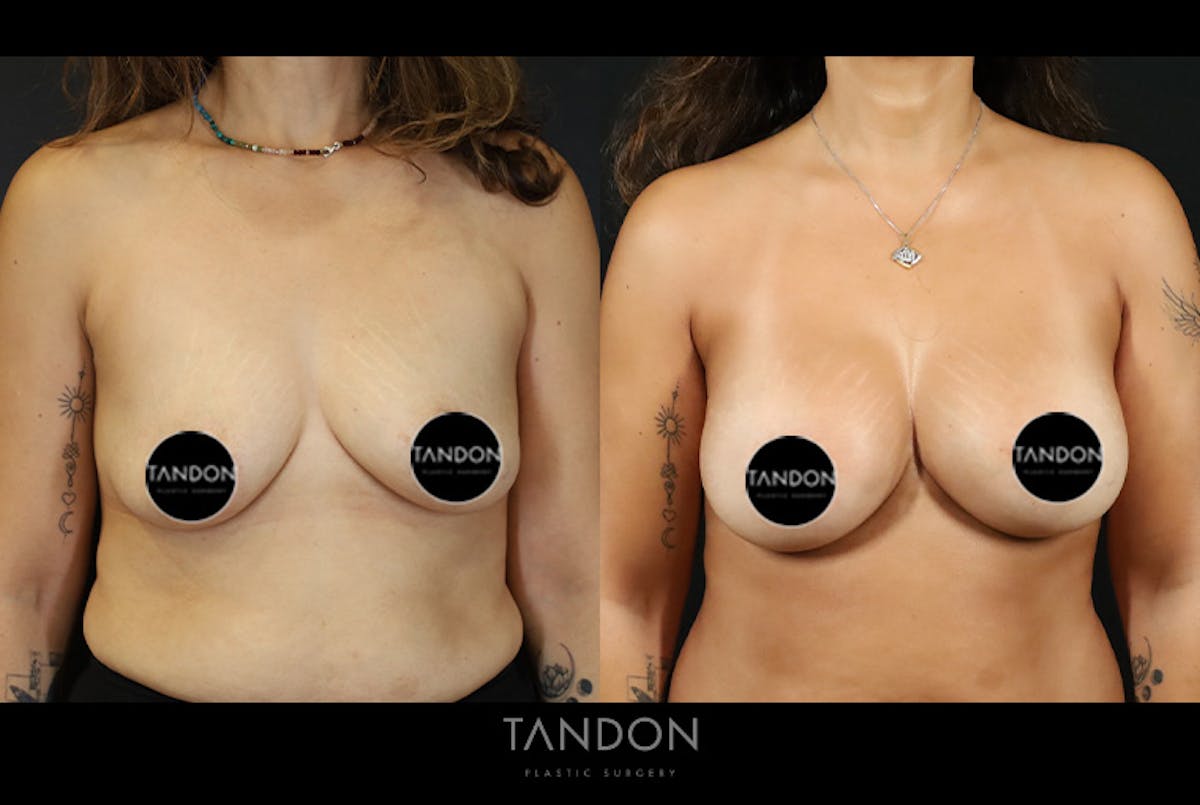
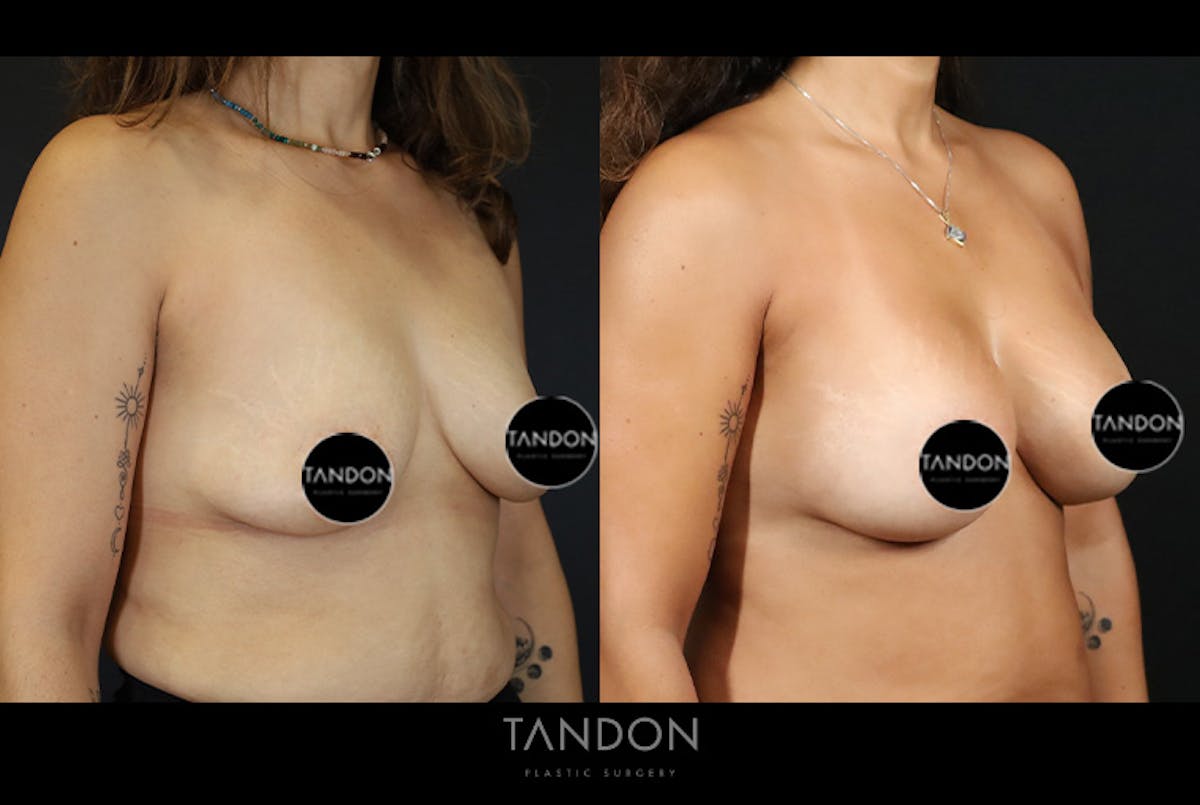
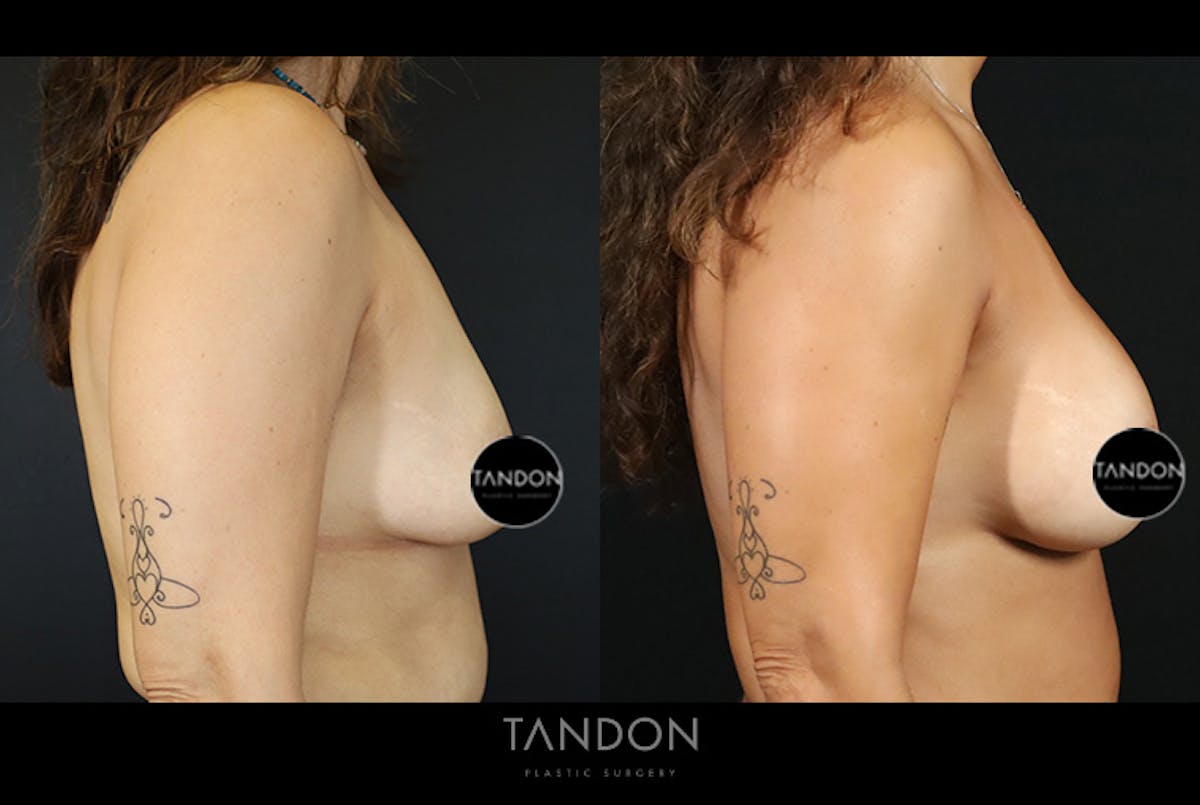
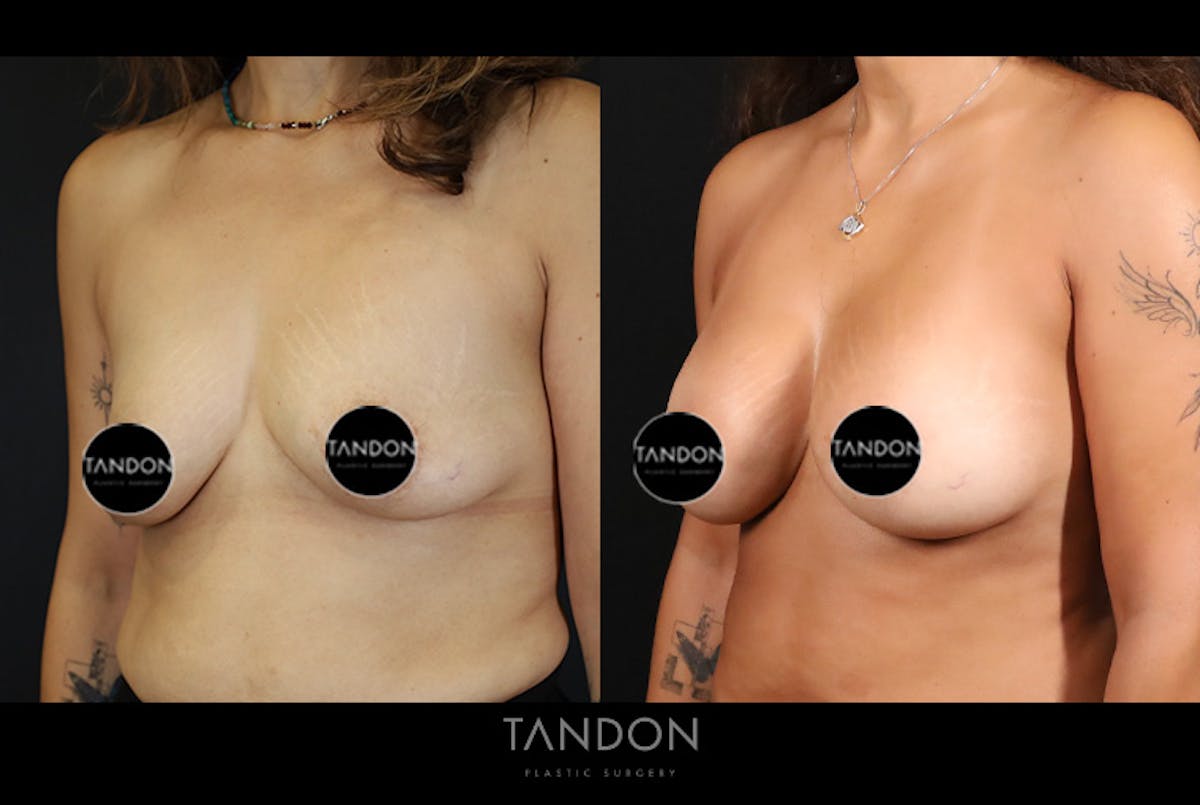
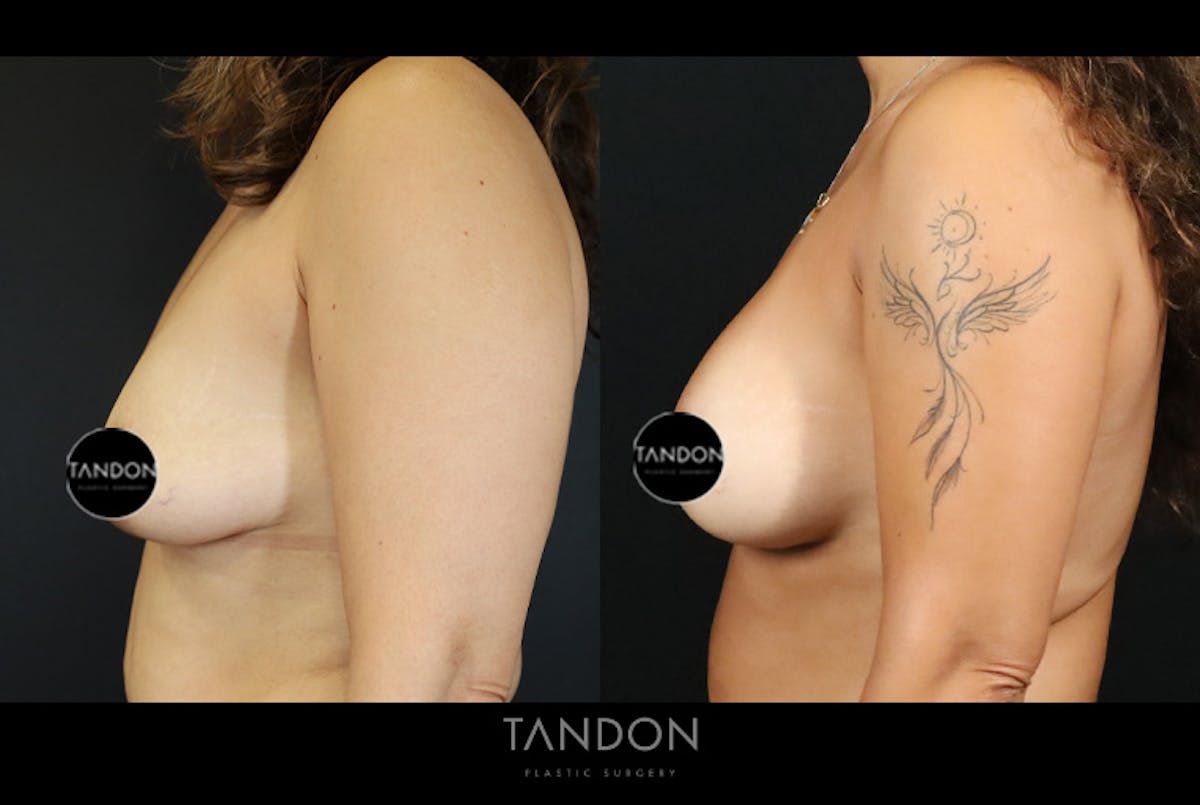


Breast Augmentation by Vickram Jay Tandon, MD
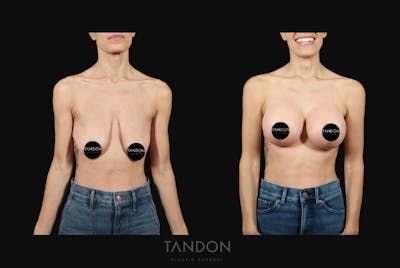
This case is a good example of why implant selection isn’t one-size-fits-all. This patient had fairly significant asymmetry going into surgery, including differences in breast volume and nipple position between the left and right side. To account for that, I used a Natrelle SSM-295 (moderate profile, 295 cc) on the left and an SSF-345 (full profile, 345 cc) on the right, different style and size on each side, to bring the two breasts into better proportion with each other rather than forcing a matched pair of implants onto unmatched anatomy.
We also discussed mastopexy to address the nipple asymmetry more directly. She opted against it, choosing to accept a small amount of residual asymmetry rather than add a lift and its incisions. That’s a reasonable tradeoff, and one every patient with asymmetry has to make for themselves. At two years out, she’s thrilled with the result, and the implant selection is doing a lot of the quiet work here.
Dual plane placement means the upper portion of the implant sits under the pectoralis muscle while the lower portion sits under the breast tissue itself, giving a soft upper slope with natural lower pole expansion as things settle over time.
If you’re dealing with breast asymmetry and researching augmentation options, this is the kind of decision-making that goes into implant selection, and it’s worth discussing directly with your surgeon rather than assuming a standard pair of implants will work for your anatomy.ee


Your skin health matters, so don’t delay. Our clinicians look forward to treating you and your family at one of our local New England practices.
Find Your Nearest APDerm Center