
Your Family Deserves the Best Care Book an Appointment
Your skin health matters, so don’t delay. Our clinicians look forward to treating you and your family at one of our local New England practices.
Find Your Nearest APDerm Center

After a summer of beach days, boat trips, and hours outside, most people notice their skin looks a little different by September, more sun spots, rougher texture, maybe some new redness across the cheeks. Fall can be a convenient time to consider treating it. Cooler temperatures and generally less intense sun exposure give people more opportunities to protect treated skin while it heals, which matters for treatments that carry some downtime and sun sensitivity during recovery. Here's what our team recommends for addressing summer's visible sun damage.
Many laser and peel treatments make skin temporarily more sensitive to UV exposure during the healing process, so cooler weather and less intense sun can make aftercare easier. Scheduling in fall also gives skin time to heal and show results before holiday events and family photos, and it can help you head into winter with a smoother, more even complexion.
It depends on what your summer looked like, but most people are dealing with some combination of a few things. Pigmentation changes show up as brown spots or uneven tone, especially on the face, chest, and hands. Texture changes include rough patches and enlarged pores. Fine lines can look more pronounced after a summer of squinting and sun exposure. And broken capillaries or redness across the cheeks and nose often become more noticeable once a tan starts to fade. Most people have a mix of these rather than just one, which is why a consultation matters before picking a treatment.
IPL (intense pulsed light) photofacials are one of the most effective options for sun-induced pigmentation. IPL targets pigment beneath the skin's surface, and treated spots typically darken and flake off within one to two weeks. Most people see meaningful improvement after two to three sessions, and it's a strong option for pigmentation on the chest and hands as well as the face.
Chemical peels are another good option, especially for people who want pigment and texture improvement together. Peels remove damaged outer layers of skin, which helps fade sun spots while also smoothing texture. Chemical peels vary in strength, recovery time, and the concerns they address, so your provider can recommend the option that's appropriate for your skin.
Microneedling creates controlled micro-injuries that trigger the skin's own collagen production, improving texture and fine lines with relatively low downtime. It's a good option for people who want visible improvement without a long recovery window.
Laser resurfacing, including fractional laser treatments, addresses texture and fine lines more aggressively by removing damaged skin in a controlled pattern and stimulating deeper collagen remodeling. Recovery varies depending on the type and intensity of laser used, and it's generally a better fit for more significant photoaging than microneedling alone.
IPL is effective here too, since the same light-based technology that targets pigment can also target the blood vessels causing visible redness. This is a common approach for rosacea-like redness that's worsened after a summer outdoors.
Often, yes. A typical path looks like a consultation to map out priorities, a series of IPL or peel treatments for pigmentation, microneedling or laser resurfacing layered in for texture, and a maintenance skincare routine recommended by your provider, along with daily SPF to help protect your results. Because sun damage can affect pigmentation, texture, and fine lines at the same time, your provider may recommend combining treatments to address multiple concerns.
Yes, more than ever. Skin is often temporarily more sensitive to UV exposure right after these procedures, which makes daily sunscreen essential during recovery and beyond. Investing in treatment without changing sun habits going forward means the results won't last as long as they should. We carry EltaMD in-office and through APDerm Shop for exactly this reason, it's a brand we trust for reliable daily protection during and after treatment recovery.
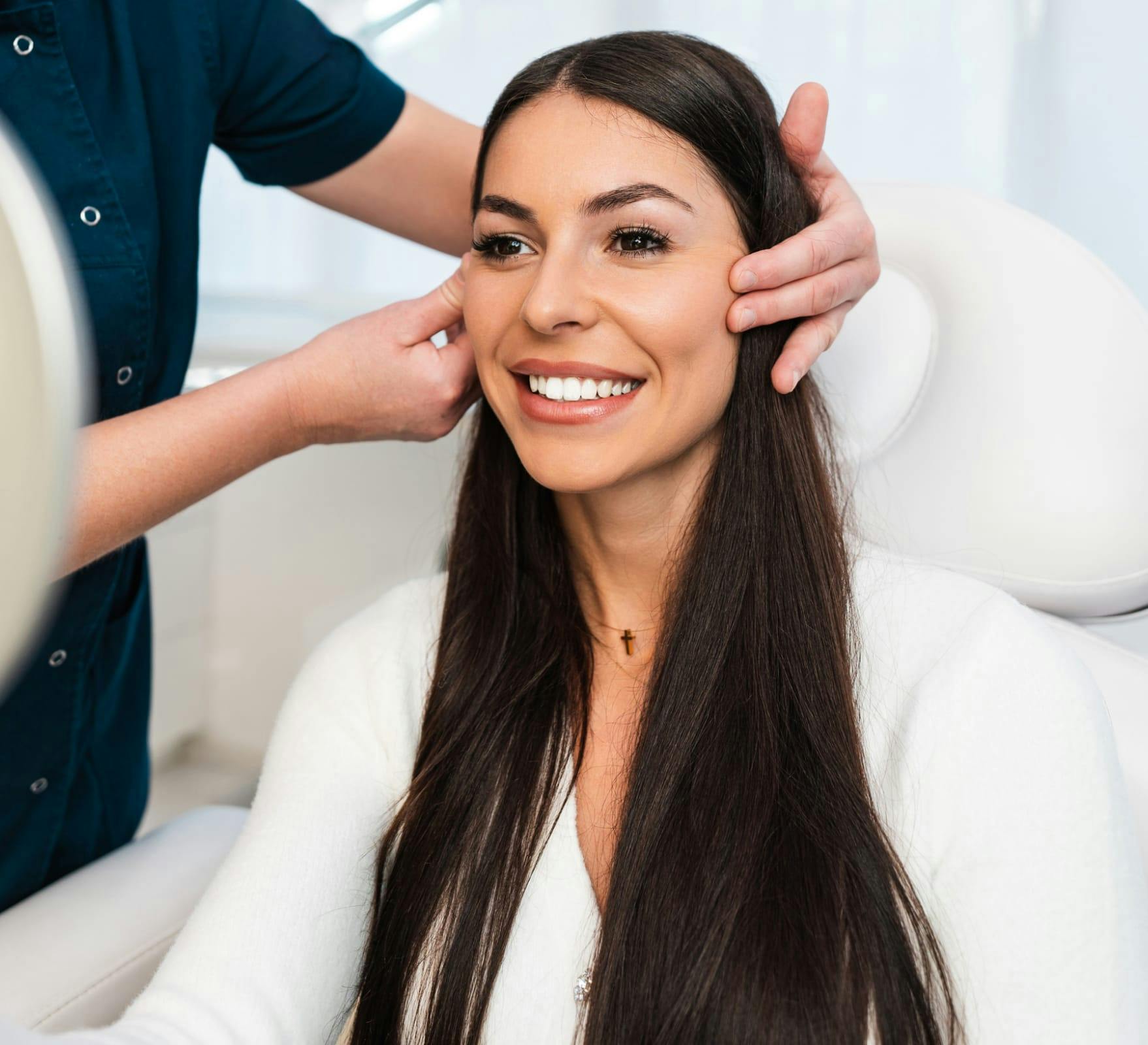
That depends on your specific combination of pigmentation, texture, redness, skin type, and desired downtime. A consultation allows an APDerm provider to evaluate your skin and recommend the treatments that are most appropriate for your concerns and goals. Depending on the treatment you're considering, your consultation may be with a dermatologist or another qualified member of the cosmetic care team.
Fall can be a good time to address sun spots, texture, and redness from summer sun exposure before they carry into winter. You can view full treatment pricing here and check current specials before booking. Schedule a cosmetic consultation at an APDerm location near you to talk through which combination of treatments fits your skin.
Your skin health matters, so don’t delay. Our clinicians look forward to treating you and your family at one of our local New England practices.
Find Your Nearest APDerm Center